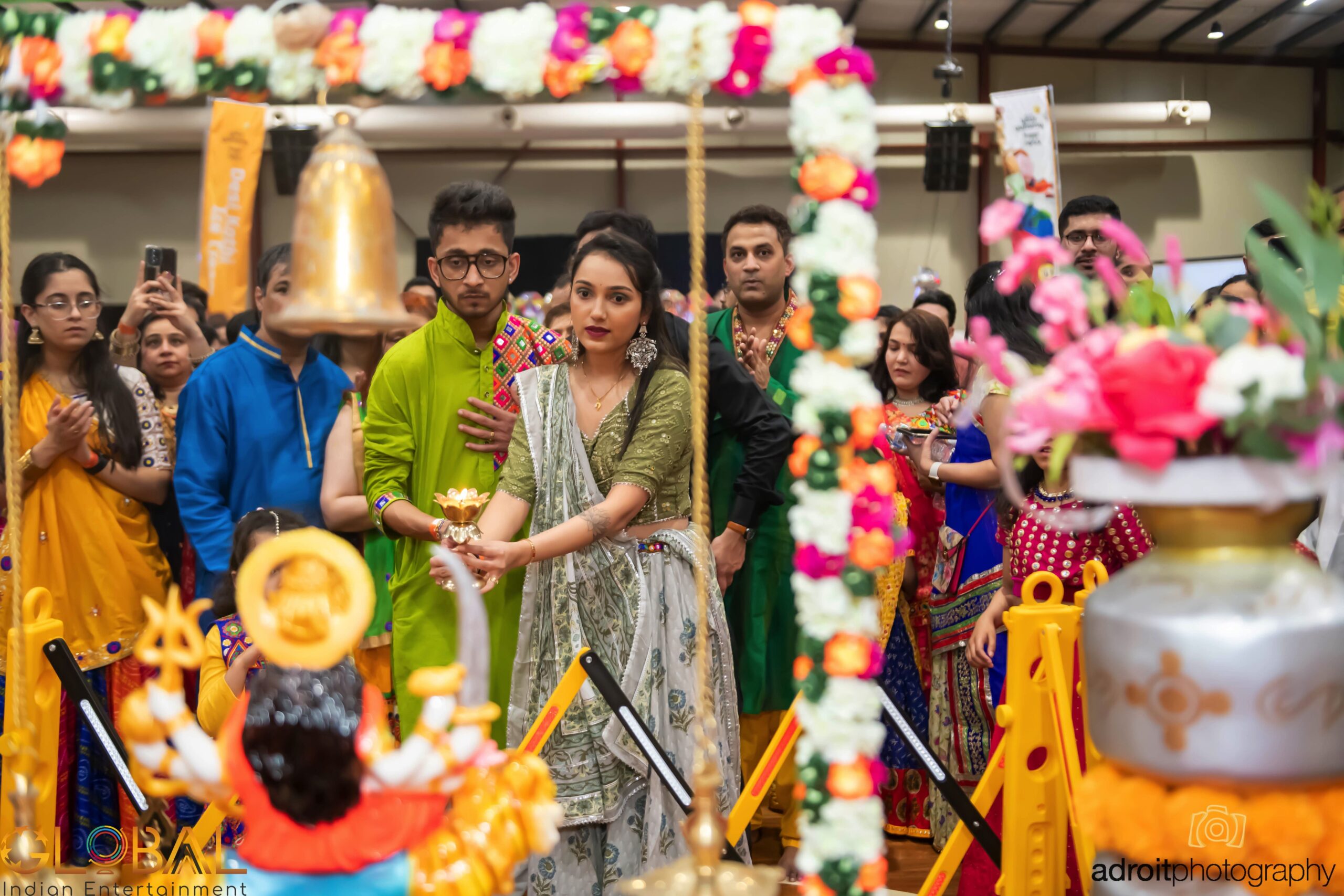






Building upon the foundational insights from Unlocking Symbols: From Ancient Beliefs to Modern Designs, we explore how the evolution of symbols continues to shape our cultural landscape and personal identities. From traditional motifs to digital icons, the journey of symbols reflects humanity’s ongoing quest for self-expression, community, and understanding across different eras and societies.
1. The Evolution of Personal Symbols in Contemporary Culture
a. How have personal symbols transformed from traditional to modern contexts?
Traditional symbols—such as family crests, religious icons, or tribal markings—served as identifiers of lineage, faith, or social status. Over time, especially with the advent of mass media and globalization, these symbols have been adapted and personalized. For example, tattoo art now often incorporates motifs that blend cultural heritage with individual meaning, creating a hybrid form of self-expression that transcends original traditional boundaries. Such transformations demonstrate a shift from collective symbolism rooted in community to highly individualized symbols that express personal narratives.
b. What role does individual expression play in the creation of modern symbols?
In the modern era, individual agency is central to symbol creation. Personal symbols—such as custom logos, unique jewelry designs, or even personal hashtags—serve as tools for self-identification and differentiation. The democratization of design tools, from social media platforms to graphic software, empowers individuals to craft symbols that reflect their identity, beliefs, or aspirations. This phenomenon underscores a cultural shift towards self-determined symbolism, where authenticity and personal meaning are prioritized over traditional conformity.
c. Examples of modern personal symbols and their cultural significance
- Minimalist tattoos: Often representing personal milestones, values, or memories, these symbols convey deep meaning with simple designs.
- Online avatars: Digital personas that express facets of individual identity, often blending humor, creativity, or cultural references.
- Custom logos: Entrepreneurs and influencers create unique visual marks to establish brand identity and foster community recognition.
2. Digital Identity and Symbolism in the 21st Century
a. How do digital platforms influence the development of new symbols?
Digital platforms have revolutionized symbol creation and dissemination. Social media, gaming, and virtual environments foster rapid sharing of new symbols, such as emojis, memes, and digital badges. Emojis, for instance, have become a universal language, transcending linguistic barriers and allowing users to express emotions, reactions, or identities instantly. Online communities often develop their own symbols—like specific emojis or icons—that foster group cohesion and shared understanding, reflecting the dynamic and evolving nature of digital culture.
b. What are the implications of emojis, avatars, and online logos on personal and cultural identity?
These digital symbols serve as extensions of our identity, allowing users to project personality, mood, or affiliation. Avatars and online logos often embody aspirational traits or cultural references, shaping perceptions both internally and externally. For example, a well-designed avatar can influence social interactions, fostering trust or camaraderie. However, they also raise questions about authenticity and self-presentation, as digital symbols are sometimes curated or exaggerated, affecting mental health and self-esteem.
c. The rise of meme culture as a form of symbolic communication
Memes encapsulate complex ideas, humor, or social commentary through images and text, rapidly spreading across platforms. They function as modern folklore, creating shared cultural references and collective identities. Memes often employ irony or satire, challenging traditional symbols and encouraging critical engagement with societal norms. As a form of symbolic communication, memes highlight the fluidity and adaptability of modern signs in capturing societal moods and debates.
3. The Psychology of Modern Symbols: Identity Formation and Social Cohesion
a. How do modern symbols influence individual identity and self-perception?
Symbols act as mirrors and lenses for self-perception. Wearing a symbol—such as a band logo or a political badge—can reinforce a sense of belonging or shared values. Psychological research indicates that symbols activate neural pathways associated with group identity, fostering feelings of pride or security. For example, athletes donning team jerseys experience increased self-esteem and social validation, illustrating how symbols shape personal narratives and self-concept.
b. In what ways do symbols serve to foster community and social bonds today?
Shared symbols—like national flags, cultural motifs, or online badges—serve as rallying points that reinforce group cohesion. Digital communities often adopt specific symbols to denote membership, fostering a sense of unity. For instance, hashtags associated with social movements or awareness campaigns create virtual spaces for collective action and solidarity. Such symbols facilitate social bonding, especially in multicultural settings, by providing recognizable markers of shared identity and purpose.
c. The impact of symbolism on mental health and self-expression
Engagement with symbols can enhance self-esteem and resilience, particularly when individuals find representation in the symbols they adopt. Conversely, misappropriation or negative symbolism can lead to social exclusion or internal conflict. Recognizing the psychological importance of symbols emphasizes the need for mindful design and respectful usage, especially in culturally diverse contexts, to promote positive mental health and inclusive self-expression.
4. Cultural Hybridization and the Globalization of Symbols
a. How are traditional symbols adapted in multicultural and globalized settings?
In our interconnected world, traditional symbols often undergo reinterpretation to resonate across diverse cultures. For example, the lotus flower, historically associated with spiritual purity in Asian cultures, has been incorporated into Western fashion and branding, symbolizing beauty and enlightenment. Such adaptations facilitate cross-cultural dialogue but also pose risks of superficial or insensitive usage if not approached with respect and understanding.
b. What is the significance of blending symbols from diverse cultures in modern design?
Blended symbols can create innovative, inclusive visual languages that celebrate cultural diversity. For instance, contemporary art and fashion often combine motifs from different traditions, resulting in hybrid identities that reflect a globalized consciousness. Such design fosters appreciation and dialogue but must be balanced with awareness of cultural sensitivities to avoid cultural appropriation, which can diminish the authenticity and respect owed to original traditions.
c. Challenges and opportunities of cultural appropriation versus appreciation in symbol usage
The line between appreciation and appropriation is delicate. While borrowing symbols can promote intercultural understanding, disrespectful or commercial misuse risks eroding their significance. Ethical practices involve engaging with source communities, understanding symbolism deeply, and giving credit. Embracing this approach ensures that the globalization of symbols enriches cultural dialogue rather than commodifies or trivializes it.
5. The Future of Symbols: Trends and Innovations
a. How might emerging technologies (AR, VR, AI) shape the creation and interpretation of symbols?
Emerging technologies are expanding the boundaries of symbolism. Augmented Reality (AR) and Virtual Reality (VR) enable immersive experiences where symbols can be interactive, personalized, and context-dependent. Artificial Intelligence (AI) facilitates dynamic symbol generation tailored to individual preferences or cultural backgrounds. For example, AI-driven platforms can create adaptive logos or virtual emblems that evolve with user interactions, opening new horizons for personal and collective symbolism.
b. What new forms of personal and cultural symbolism could arise in the coming decades?
Future symbols may include biometric markers, such as DNA-based identifiers, or blockchain-verified digital tokens representing identity, achievements, or cultural heritage. Wearable tech could embed symbols directly onto the body, blurring lines between identity and technology. Additionally, virtual worlds may develop their own symbolic languages, fostering new ways for individuals and communities to connect and express authenticity in digital spaces.
c. Ethical considerations in designing and deploying modern symbols
As symbols become more embedded in our digital lives, designers and technologists bear responsibility for ethical implications. Respect for cultural significance, avoiding stereotypes, and safeguarding privacy are paramount. For example, creating symbols that are inclusive and do not perpetuate biases ensures that symbolism continues to promote understanding rather than division. Thoughtful deployment of future symbols can foster social cohesion and respect in an increasingly interconnected world.
6. Connecting Past and Present: The Continual Evolution of Symbols in Personal Identity
a. How do contemporary symbols reflect a continuum from ancient beliefs and traditions?
Many modern symbols are direct descendants of ancient motifs, adapted to fit current contexts. For instance, the use of the mandala in contemporary art draws from deep spiritual traditions but now also symbolizes harmony and balance in secular settings. Similarly, the infinity symbol, originating from mathematical notation, has been embraced as a metaphor for eternal love or endless possibilities, illustrating how ancient and modern worlds intertwine in personal and cultural symbolism.
b. In what ways can understanding historical symbolism deepen our interpretation of modern signs?
Historical knowledge provides context that enriches comprehension. Recognizing the origins of symbols like the swastika or the lotus enhances their modern interpretation, preventing misjudgment and promoting respectful engagement. Such understanding fosters a more nuanced appreciation of symbols’ layered meanings, encouraging us to see beyond surface appearances and appreciate the cultural journeys that shape contemporary signs.
c. The importance of preserving the authenticity of traditional symbols amid modern adaptations
Preservation involves respecting original meanings and cultural contexts while allowing for innovative expression. This balance ensures that symbols retain their significance and educational value. Efforts such as cultural education, ethical design practices, and community engagement help safeguard the integrity of traditional symbols, ensuring they continue to inform and inspire in a rapidly changing world.